

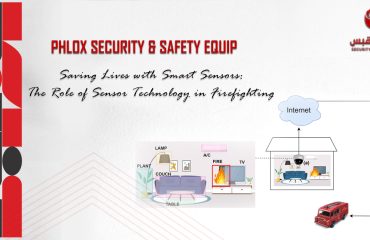

Fire Fighting Systems Safety Procedures
Introduction
Fire fighting systems play a vital role in controlling and suppressing fires. When teams understand how to use these systems properly, they improve response time and reduce risks. In addition, proper procedures ensure system effectiveness during emergencies. However, these systems are critical for controlling and suppressing fires in buildings. Understanding proper procedures ensures that fire fighting systems operate efficiently during emergencies.
Types of Fire Fighting Systems
Fire systems include sprinklers, extinguishers, hose reels, and suppression systems. Each system serves a specific purpose. For example, sprinklers control fire spread, while extinguishers allow quick manual response.
Proper Usage and Handling
Employees must use fire systems correctly to ensure effectiveness. They should select the right extinguisher based on fire type. Moreover, they must keep sprinkler systems unobstructed at all times.
Fire Fighting Systems Inspection and Readiness
Teams should inspect fire_fighting_systems regularly to ensure readiness. They must check pressure levels, valves, and equipment condition. As a result, systems remain ready for emergency situations.
Regular inspection ensures that fire_fighting systems are always ready. Pressure levels, valves, and equipment condition should be checked periodically.
Safety and Accessibility
Teams must keep all equipment accessible and visible. For instance, they should never block extinguishers or hose reels. Consequently, quick access improves response time and reduces damage.
Conclusion
Fire fighting_systems are essential for any safety plan. By following proper procedures and maintaining equipment, organizations can ensure effective fire control and protection.
These systems are a key part of any safety plan. Proper handling, inspection, and accessibility ensure effective fire control and protection.