


Fire Extinguishers vs. Hose Reels: Understanding the Difference
Understanding the difference between fire extinguishers vs hose reels helps building occupants choose the right firefighting equipment during an emergency. Although both are designed to control fires, they serve different purposes and work best in different situations.
Fire extinguishers provide a quick response for small, developing fires, while hose reels provide a continuous water supply for certain types of fires. Knowing how each system works can help people respond more effectively while waiting for professional assistance.
What Is a Fire Extinguisher?
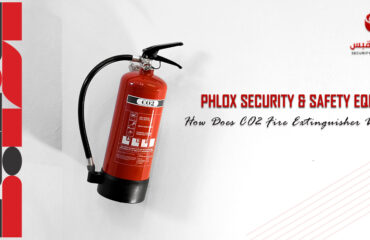
A fire extinguisher is a portable device designed to discharge an extinguishing agent onto a fire. Different extinguishers use different agents, including water, foam, dry powder, or carbon dioxide.
The correct extinguisher depends on the type of fire. For example, water extinguishers are generally intended for fires involving ordinary combustible materials, while CO₂ extinguishers are commonly used for certain electrical equipment and flammable liquid fires.
Because extinguishers are portable, occupants can quickly access them when a small fire is detected.
What Is a Hose Reel?
A fire hose reel is a fixed firefighting system connected to the building’s water supply. It provides a continuous stream of water through a hose, allowing the user to apply water to a fire from a controlled distance.
Unlike a portable extinguisher, a hose reel remains installed in a designated location. It therefore requires proper installation, water supply, accessibility, and regular inspection to remain ready for use.
Hose reels are generally intended for fires where water is an appropriate extinguishing medium.
Key Differences Between Them
The main difference between fire extinguishers vs hose reels is how they deliver the extinguishing agent and how long they can operate.
Fire extinguishers:
- Portable and easy to carry
- Available with different extinguishing agents
- Suitable for specific fire classes
- Designed for controlling small fires
Hose reels:
- Permanently installed
- Connected to a water supply
- Provide a continuous water stream
- Require appropriate water pressure and system maintenance
Therefore, one should not automatically replace the other. Each serves a specific role within a building’s overall firefighting strategy.
Which One Should You Use?
The choice depends on the fire type, its size, the available equipment, and the user’s training.
A small fire may be controlled using the correct portable extinguisher if it is safe to do so. A hose reel may be appropriate where water can safely be used and the system is designed for that application.
However, occupants should never put themselves at risk. If a fire is growing rapidly, producing heavy smoke, or blocking an escape route, evacuation and emergency response should take priority.
Why Both Matter
A well-designed fire protection strategy can use multiple layers of protection. Extinguishers provide immediate portable response, while fixed firefighting systems such as hose reels provide additional firefighting capability.
Regular inspection and maintenance are essential for both systems. Equipment must remain accessible, clearly identified, and ready for use when needed.
Conclusion
Understanding fire extinguishers vs hose reels makes it easier to recognize the role of each firefighting system. Extinguishers offer portable and targeted fire control, while hose reels provide a continuous water supply for suitable fire situations. When correctly selected, installed, inspected, and maintained, both contribute to a safer building environment.