
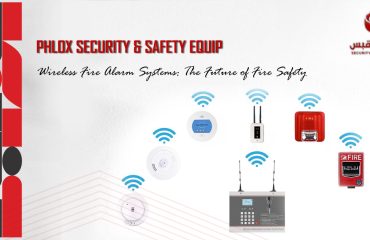


IoT in Fire Alarm Systems: How Smart Technology Is Changing Fire Safety
Fire alarm systems are becoming smarter as buildings adopt connected technologies. Traditionally, fire alarm systems detect emergencies and activate local alarms. Today, digital connectivity can provide additional information, improve monitoring, and support more efficient maintenance.
IoT in fire alarm systems connects compatible fire safety equipment to digital platforms, allowing authorized users to access system information remotely and monitor selected operating conditions.
But how does this technology work, and what benefits can it bring to modern buildings?
What Is IoT in Fire Alarm Systems?
The Internet of Things (IoT) refers to physical devices that collect and exchange data through network connections.
In fire alarm applications, compatible control panels, communication gateways, and monitoring platforms can exchange information through secure networks or cloud-based services.
This connection allows facility managers and authorized technicians to view selected system information using computers, tablets, or mobile devices.
How Does IoT Improve Fire Alarm Monitoring?
Connected fire alarm systems can provide several practical benefits:
1. Remote System Monitoring
Authorized users can check system status remotely, including selected alarm, fault, and supervisory conditions. This helps facility teams stay informed without always visiting the control panel.
2. Faster Fault Identification
Connected platforms can provide diagnostic information that helps technicians identify certain device or communication issues more efficiently.
3. Maintenance Support
Digital monitoring can help maintenance teams review system conditions, identify recurring faults, and plan inspections or corrective work.
4. Multi-Building Management
For organizations managing several properties, connected platforms can provide a centralized view of compatible fire alarm systems across different locations.
IoT and Building Management Systems
IoT technology can also support communication between fire alarm systems and other building services.
Depending on the approved design, compatible interfaces may exchange information with:
- Building Management Systems (BMS).
- HVAC and smoke control systems.
- Access control systems.
- Central monitoring platforms.
- Facility management software.
This integration helps improve visibility and coordination between building services during normal operation and emergency conditions.
Cybersecurity: An Important Consideration
Connectivity also introduces new responsibilities.
A network-connected fire alarm system must be protected against unauthorized access, communication risks, and software vulnerabilities.
Important security measures include:
- Using secure network connections and authorized access controls.
- Applying appropriate cybersecurity measures and software updates.
- Limiting remote access to approved personnel.
- Protecting communication gateways and connected devices.
- Following manufacturer recommendations and applicable cybersecurity requirements.
Most importantly, IoT connectivity must not compromise the essential operation of the fire alarm system. Core detection, notification, and approved life-safety functions must remain reliable even if an external network or cloud service becomes unavailable.
Is IoT the Future of Fire Alarm Maintenance?
IoT can make fire alarm maintenance more informed and efficient by providing additional operational data. However, remote monitoring does not replace physical inspections, functional testing, commissioning, or required maintenance activities.
Conclusion
IoT in fire alarm systems represents an important step towards smarter building safety. Remote monitoring, diagnostic information, and system integration can improve visibility and support better maintenance decisions.
When combined with proper design, cybersecurity, and professional servicing, connected technology can help create safer and more efficiently managed buildings.